Gen V in Iran
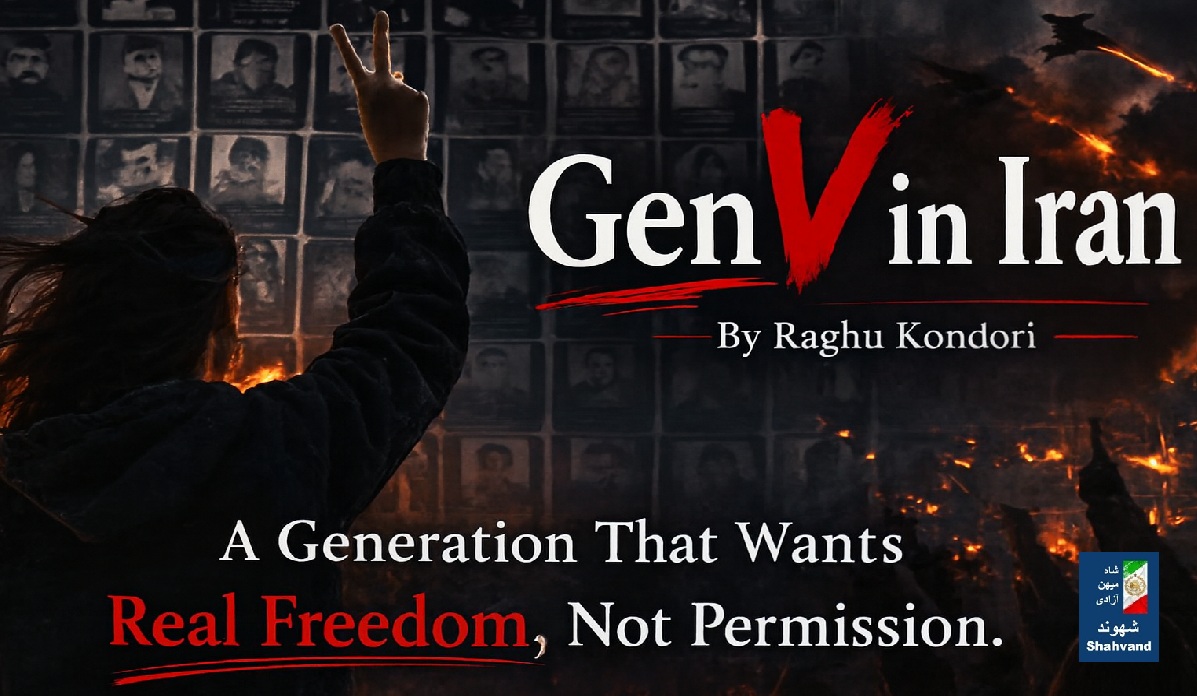
A Generation That Wants Real Freedom, Not Permission.
By Raghu Kondori
Gen V
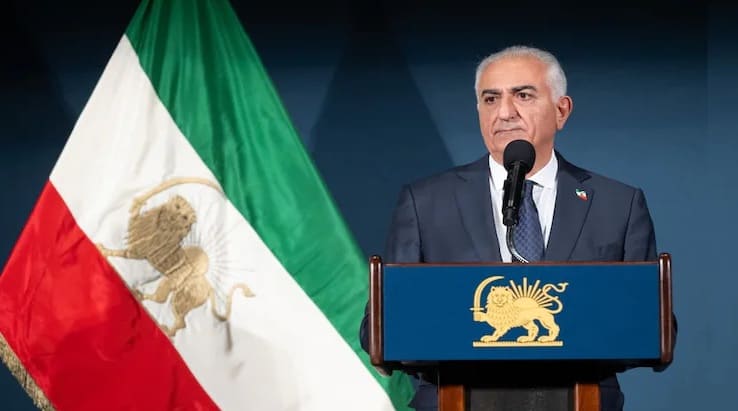
The “V” Generation wants real freedom, not permission. Gen V is not a sociological label; it is a political reality. The term was first introduced in September 2025 by Crown Prince Reza Pahlavi during a summit in Munich; “Gen V for Victory.” It symbolizes a generation that has decided to confront the Islamic Republic directly.
Inside Iran, this concept has become sharper and more tangible. Gen V refers to teenagers and students who no longer believe in reform, compromise, or any form of religious authority. They have grown up watching their parents crushed under economic pressure while clerics lived in luxury. They see the children of officials living in comfort while ordinary families drift toward poverty. Every day they are told there is no money for salaries, medicine, or schools—yet billions of dollars reach Hezbollah and Hamas. For Gen V, this isn’t “foreign policy”; it is theft. The regime has stolen their parents’ lives to fund its proxy wars.
Their hatred of the mullahs is not emotional; it is a conclusion. They view the clergy as the direct cause of economic collapse, corruption, and national humiliation. This hatred is overt and unapologetic. They reject political Islam and religious coercion—no forced hijab, no imposed faith. To them, compulsory religion is violence. Girls cast aside the hijab as an act of individual sovereignty, and boys defend them without hesitation.
Most importantly, Gen V wants total freedom, not the hollow version offered by reformists. No permission, no “easing” of pressure. They want a life without clerical supervision over their bodies, choices, music, friendships, and futures. With schools closed by government order and in the shadow of the February 28, 2026, U.S. and Israeli strikes on Iranian military targets, this generation is ready to return to the streets at the first call from Prince Reza Pahlavi.
Gen V Lives on Screens
They watch Satellite TV, Korean and Turkish series, and Western youth lifestyles. TikTok and Instagram are their battlegrounds; places where fashion, protests, executions, hijab burnings, and state violence circulate incessantly. Simultaneously, they hear stories from their grandparents about Iran before 1979: co-ed schools, parties, dancing, dating, and a normal life. Gen V does not imagine freedom as an abstraction. They have a point of reference. They believe Iran was once a normal country and can be again.
This is why they chant “Javid Shah“. This is not naive nostalgia; it is the reclamation of life. For Gen V, the return of the Shah symbolizes the end of clerical rule, the end of the ideological police, and the restoration of secular life. They understand politics, they talk of referendums and transitions, and they know how regimes collapse.
Today, Generation V awaits the next call from Crown Prince Reza Pahlavi, ready to return to the streets to overthow the regime and reclaim normal life and true freedom. Openly and without apology, they say: Javid Shah.
#GenV