Race to Collapse: The Islamic Regime in Iran
EU’s Terror Designation of IRGC, Russia’s Retreat, and Iran’s Fractured Lifelines. By Raghu Kondori, Director of Shahvand Think Tank
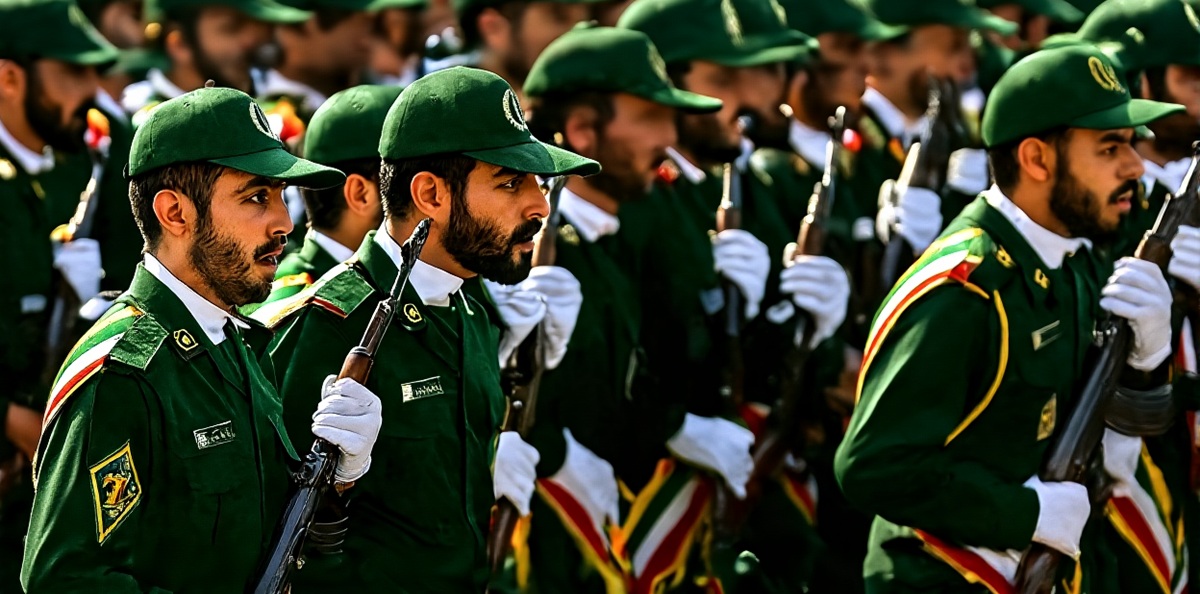
The European Union’s decision to designate Iran’s Islamic Revolutionary Guards Corps (IRGC) as a terrorist organization on January 29, 2026, represents a seismic shift in confronting Tehran’s regime amid its most severe crisis since 1979. Triggered by unprecedented protests erupting since late December 2025—fueled by hyperinflation, fuel shortages, and brutal repression—this blacklist imposes asset freezes, travel bans, and funding prohibitions across the 27-nation bloc. DW reported the move, while CNN captured Tehran’s vow of “hazardous consequences.” Yet the designation exposes the IRGC’s vulnerabilities, accelerating a regime already teetering on implosion.
IRGC and Iran: Strangled Lifelines
The IRGC is not merely a military force; it is the economic backbone of Iran’s theocracy, controlling up to 60% of the economy through conglomerates in oil smuggling, construction, telecoms, and banking. This designation criminalizes any support for the Guards in Europe, severing critical networks for money laundering, arms procurement, and proxy funding that have long evaded U.S. sanctions.
The details how IRGC firms relied on European subsidiaries to evade sanctions, now crippled by this move. Domestically, collapsed oil exports and a rial that has plummeted 90% in value compound the chokehold.
Protests have engulfed over hundreds of cities, according to diaspora estimates of 40,000 detained and 50,000 killed by Basij militias, IRGC shock troops, and foreign militias. Peak demonstrations on January 9 drew over 10 million, chanting: “This is the last battle, Pahlavi will return!” and “Javid Shah.” The EU action legitimizes these voices, branding the IRGC criminal, eroding soldier morale and inviting defections. Tehran’s internet blackouts and mass executions only fuel rage, as bazaar strikes paralyze commerce. With no clear successor to the ailing 86-year-old Supreme Leader—following President Raisi’s 2024 helicopter crash—the Guards face dual threats: financial asphyxiation and internal fracture. Brookings underscores how the regime’s foundations are cracking.
European Council: Moral Reckoning Over Diplomacy
In a unanimous Brussels vote, EU foreign ministers shattered years of hesitation. France’s Jean-Noel Barrot hailed it as “solidarity with the Iranian people” against daily hangings and protest massacres, as quoted by BBC. Kaja Kallas, the EU’s foreign policy chief, declared: “If you act like terrorists, you will be treated as such,” linking the designation to broader sanctions on Iranian police, judges, and cyber units enforcing blackouts. Past divisions—Germany’s trade concerns, Italy’s hostage diplomacy—dissolved amid graphic videos of Tehran street battles.
The bloc’s trade with Iran has already cratered to under €1 billion annually, rendering economic blowback negligible while empowering judicial crackdowns on IRGC assassination plots against dissidents in Europe. Al Jazeera notes how this aligns with U.S. maximum pressure under President Trump, whose naval deployments in the Gulf signal potential strikes. EU diplomats quietly prepare contingency plans for a post-collapse transition, prioritizing stability over engagement with a regime accused of genocide.
Toward Regime Implosion: Tipping Point Accelerates
This designation turbocharges the “race to collapse,” where external isolation meets internal rot. Khamenei’s frailty leaves a leadership vacuum, with IRGC commanders overextended quelling uprisings from Kurdistan to Khuzestan. Protests endure past regime claims of victory on January 21, with women-led marches defying morality police. ISW documents how resistance persists despite brutal repression.
Financially starved, the IRGC can no longer bankroll Hezbollah or Houthis effectively, weakening Tehran’s “axis of resistance” and inviting regional opportunists. Carnegie observes that the regime clings to power through paralysis, not governance, while sustained protests—bolstered by Reza Pahlavi’s referendum call—could spark mid-level coups. Diplomatic isolation compounds 2025 UN sanctions, pushing scenarios from negotiated exit to revolutionary overthrow.
The clearest signs of collapse now extend beyond Iran’s borders. Unofficial sources indicate that Russia has begun withdrawing from the Bushehr nuclear power project, a move driven by fear of the regime’s imminent implosion and the rising anger of the Iranian people against Russian workers stationed there. This retreat underscores how even allies anticipate the unraveling, unwilling to risk entanglement in the fury of a collapsing state.
With the final attack by the US and Israel, and the deadly timeline of unrest marked by the return of protests in the streets, Al Jazeera traces the unfolding crisis. Tens of thousands slain, tens of thousands caged—the ledger of blood and silence grows unbearable. The thread frays, and history sharpens its blade—the race to collapse is no longer metaphor, but destiny.